

Emotional Neglect Therapy: What was missing still matters
Therapy in Brockville and virtually across Ontario for people who grew up with their feelings overlooked.
Childhood Emotional Neglect Therapy in Brockville, ON
Emotional neglect is often about what didn’t happen. There may be no big event to point to. There was food on the table and a roof overhead. But feelings weren’t talked about, needs were brushed aside, or there was no one to turn to when things were hard.
Children adapt. Many learn to need very little, to handle things on their own, and to stay easy to be around. Those adaptations made sense at the time. In adulthood, they can show up as exhaustion, difficulty knowing what you feel, trouble asking for help, or leaning on work, caretaking, or alcohol to keep going.
Because nothing obvious happened, many people wonder whether it counts. It does.
Naming What Was Missing
Drawing on relational and emotion focused approaches, including Emotion Focused Therapy for Trauma, we make room to understand what you needed then, and how its absence shows up now.
Making Room for Needs
Therapy offers a relationship where your feelings and needs are welcome, which for many people is new.
What It Can Look Like
Emotional neglect often goes unnoticed, even by the person who lived it. Some common experiences in adulthood include:
- Being the capable one, and finding it hard to ask for anything
- Not always knowing what you feel, or feeling numb
- A sense that something is missing, without knowing what
- Exhaustion from years of managing on your own
- Feeling like a burden when you do have needs
- Relying on work, caretaking, or drinking to get through
Where It Often Shows Up
Emotional Neglect FAQs
Q. What is childhood emotional neglect?
It’s when a child’s emotional needs go consistently unmet, even when their physical needs are cared for. Because it’s about absence rather than events, it’s often invisible, both to the family and to the person who lived it.
Q. My parents loved me. Can it still be emotional neglect?
Yes. Many loving parents were stretched thin, struggling themselves, or never had their own feelings tended to. Naming what was missing isn’t about blame. It’s about understanding.
Q. How is this connected to burnout or drinking?
When you learned early to manage everything alone, it can be hard to notice when you’re running on empty. Some people keep going until they burn out. Others find something that takes the edge off. Both often make sense in light of what was missing.
Meet the Clinicians
Each of these clinicians works with this area. If you’re not sure who to choose, we’re happy to help you find a good match.

Meredith Armstrong, MSW, RSW
Owner, Social Worker, Psychotherapist
Meredith Armstrong is a Registered Social Worker and the owner of St. Lawrence Psychotherapy and Wellness. She has been doing this work since 2001, and it has never once felt like just a job to her.

Jim Page, MS, RSW
Social Worker, Psychotherapist
Jim is a Registered Social Worker with a Master of Science in Human Services from Capella University, MN. He has more than 20 years of experience providing individual, couple and family therapy in private practice as well as community agency and hospital outpatient settings.
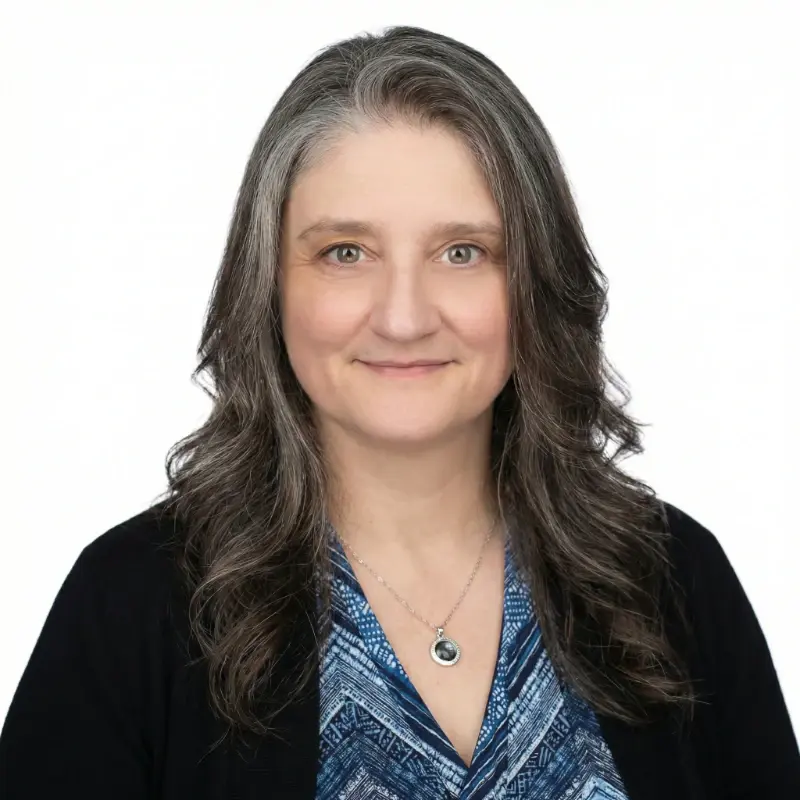
Genevieve Fincher, MSW, RSW
Social Worker
Genevieve Fincher is a classically trained clinical social worker who graduated from the University of South Carolina and has over 20 years of experience working in adult and children’s mental health.

Charlotte (Charlie) MacDonald, RP (Qualifying)
Registered Psychotherapist (Qualifying)
Charlotte, also known as Charlie, is a Registered Psychotherapist (Qualifying) who recently graduated from Yorkville University and has joined the St. Lawrence Psychotherapy and Wellness Team.

Mandy LeBlanc, MSW, RSW
Social Worker
Mandy is a Registered Social Worker with more than 22 years of experience in the mental health and addictions field, working across both community and institutional settings. Since beginning her Social Work education in 2002, she has completed her Master of Social Work degree along with a variety of additional courses and professional certifications to further support her clinical practice.

Mackenzie Howard, RP (Qualifying)
Registered Psychotherapist (Qualifying)
Mackenzie works with adolescents and adults who are exhausted from always being the strong one, who overthink conversations, worry about disappointing people, and struggle to put themselves first without guilt. She helps people move out of people-pleasing, perfectionism, anxiety, and self-doubt, and toward healthier boundaries, more trust in their own judgment, and more peace day to day.
Other Areas of Support
Most people come in with more than one thing on their mind.

Trauma
Some experiences stay with us long after they end. We work at a pace that feels safe, with care for how the past still shows up today.

Relationships
Room to look at the patterns between people, and where they began.

Burnout and Stress
For people who have been carrying too much, for too long, at work and at home.